Quick History of Anglican Religious Life (from Wiki)
Anglican religious orders are communities of men or women (or in some cases mixed communities of both sexes) in the Anglican Communion who live under a common rule of life. The members of religious orders take vows which often include the traditional monastic vows of poverty, chastity and obedience, or the ancient vow of stability, or sometimes a modern interpretation of some or all of these vows. Members may be laity or clergy, but most commonly include a mixture of both. They lead a common life of work and prayer, sometimes on a single site, sometimes spread over multiple locations.
Dissolution of Religious Life
Religious orders were dissolved by King Henry VIII when he separated the Church of England from papal primacy. In 1626, Nicholas Ferrar, a protege of William Laud (1573-1645), and his family established the Little Gidding community. Since there was no formal Rule (such as the Rule of Saint Benedict), no vows taken, and no enclosure, Little Gidding cannot be said to be a formal religious community, like a monastery, convent, or hermitage. The household had a routine according to high church principles and the Book of Common Prayer. Fiercely denounced by the Puritans and denounced as “Protestant Nunnery” and as an “Arminian heresy“, Little Gidding was attacked in a 1641 pamphlet entitled “The Arminian Nunnery”.[1] The fame of the Ferrars and the Little Gidding community spread and they attracted visitors. King Charles I visited three times, including on 2 May 1646 seeking refuge after the Cavalier defeat at the Battle of Naseby. The community ended when its last member died in 1657.
Although the Ferrar community remained a part of the Anglican ethos (Bishop Francis Turner composed a memoir of Nicholas Ferrar prior to his death in 1700),[2] not until the mid-nineteenth century with the Oxford Movement and the revival of Anglican religious orders did Little Gidding reach the consciousness of the average Anglican parishioner. Since that time, interest in the community has grown and not been limited to members of the Anglican Communion. According to ascetical theologian Martin Thornton, much of the appeal is due to Nicholas Ferrar and the Little Gidding community’s exemplifying the lack of rigidity (representing the best Anglicanism’s via media can offer) and “common-sense simplicity”, coupled with “pastoral warmth”, which are traceable to the origins of Christianity.[3]
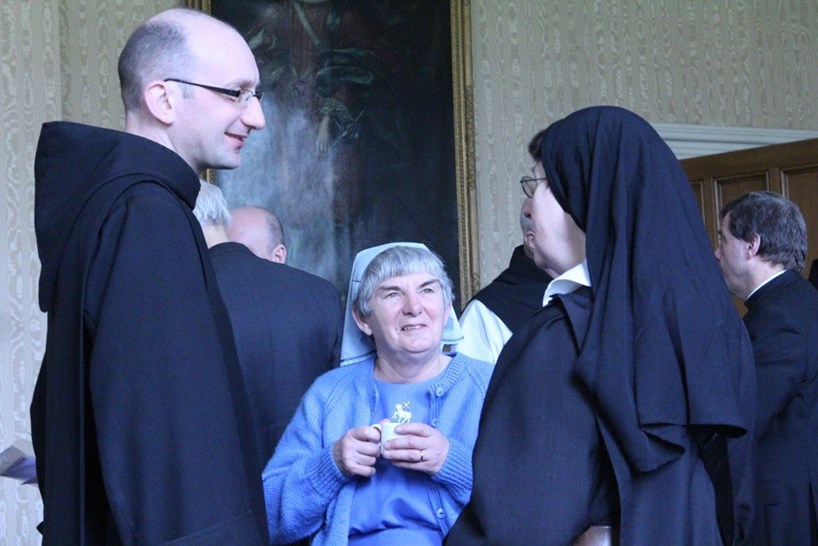
Between 1841 and 1855, several religious orders for women were begun, among them the Community of St Mary the Virgin at Wantage and the Society of Saint Margaret at East Grinstead. Religious orders for men appeared later, beginning in 1866 with the Society of St. John the Evangelist or “Cowley Fathers”. In North America, the founding of Anglican religious orders began in 1842 with the Nashotah Community for men in Wisconsin, followed in 1845 by the Sisterhood of the Holy Communion under Anne Ayres in New York.
In recent decades, there has been a remarkable growth of religious orders in other parts of the Anglican Communion, most notably in Tanzania, South Africa, the Solomon Islands, Vanuatu and Papua New Guinea. There are currently about 2,400 monks and nuns in the Anglican communion, about 55% of whom are women and 45% of whom are men.[4]
Restoration of Religious Life
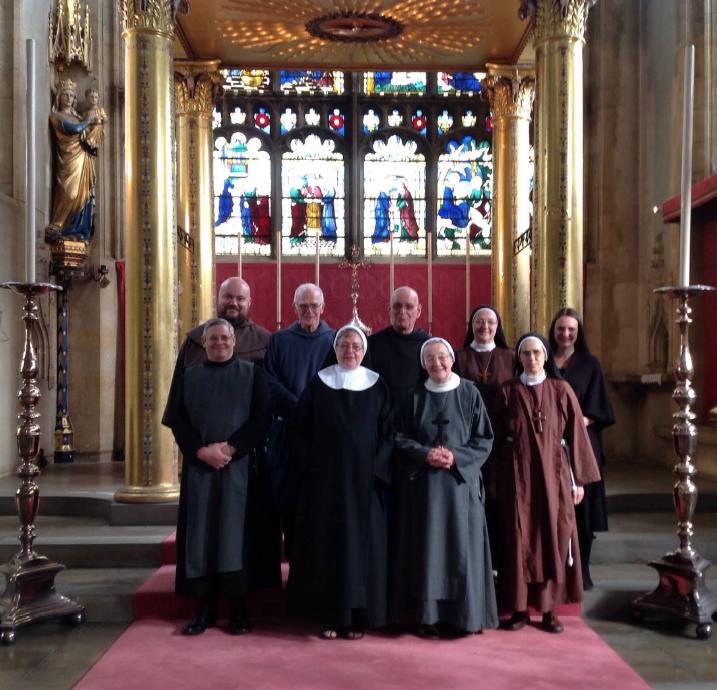
During the three centuries from dissolution to restoration some views expressed a desire for the restoration of the religious life within Anglicanism. In 1829 the poet Robert Southey, in his Colloquies (cxiii.), trusts that “thirty years hence this reproach also may be effaced, and England may have its Beguines and its Sisters of mercy. It is grievously in need of them.”
Practical efforts were made in the religious households of Nicholas Ferrar at Little Gidding, 1625, and of William Law at King’s Cliffe, 1743; and under Charles II, says Fr. Bede in his Autobiography, “about 12 Protestant ladies of gentle birth and considerable means” founded a short-lived convent, with William Sancroft, then Dean of St Paul’s, for director.
Southey’s appeal had weight, and before the thirty years had passed, compassion for the needs of the destitute in great cities, and the impulse of a strong Church revival, aroused a body of laymen, among whom were included William Gladstone, Sir T. D. Acland, Mr A. J. Beresford-Hope, Lord Lyttelton and Lord John Manners (chairman), to exertions which restored sisterhoods to the Church of England. On 26 March 1845 the Park Village Community was set on foot in Regent’s Park, London, to minister to the poor population of St Pancras. The “Rule” was compiled by Edward Pusey, who also gave spiritual supervision. In the Crimean War the superior and other sisters went out as nurses with Florence Nightingale. The community afterwards united with the Devonport Sisters, founded by Miss Sellon in 1849, and together they form what is known as Ascot Priory. The St Thomas’s sisterhood at Oxford commenced in 1847; and the mother-superior of the Holy Trinity Convent at Oxford, Marian Hughes, dedicated herself before witnesses to such a life as early as 1841.[5]
Activity
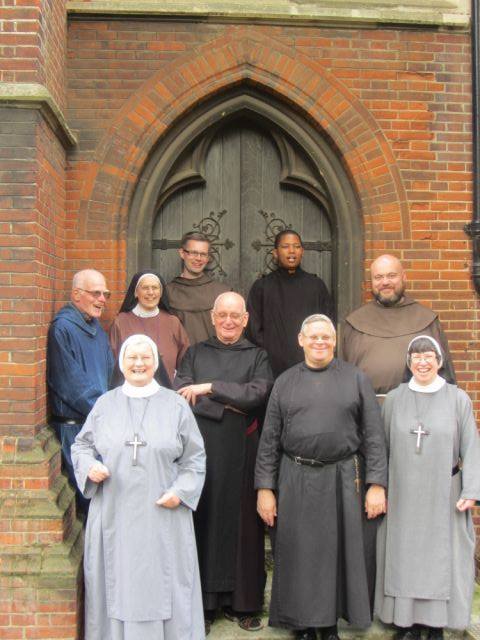
Four sisterhoods stand together as the largest: those of Clewer, Wantage, All Saints and East Grinstead; and the work of the first may stand as a specimen of that of others. The Community of St John Baptist at Clewer, near Windsor, arose in 1849 through the efforts of a Mrs Tennant and the vicar, afterwards warden of the society, the Revd T. T. Carter, to save “fallen women“. Under the first superior, Harriet Monsell, the numbers steadily grew and at the beginning of the 20th century were over 200. Their services to society and the church include six houses for “fallen women”, seven orphanages, nine elementary and high schools and colleges, five hospitals, mission work in 13 parishes and visiting in several “married quarters” of barracks. Many of these are notable institutions and their labours extend over a wide area; two of the settlements are in India and two in the United States. A list of 26 sisterhoods is given in the Official Year-Book of the C.E. (1900), to which may be added 10 institutions of deaconesses, many of whom live in community under a rule. In 1909 the number of women in religious orders in England was estimated as some 1300; whereas at the time of the dissolution under King Henry VIII there had only been 745.[6]
The Episcopal Church of Scotland has three sisterhoods and they are found also in Toronto, Saint John the Divine; Brisbane, Sacred Advent. The Year-Book (1911) of the Episcopal Church of America mentions 18 American sisterhoods and seven deaconess homes and training colleges.
There are three Anglican religious communities in South Africa: The Community of the Resurrection of our Lord in Grahamstown;[7] St Michael and All Angels in Bloemfontein and Saint John the Divine in Pietermaritzburg.
Practically all Anglican sisterhoods originated in works of mercy and this largely accounts for the rapidity with which they have won their way to the good will and confidence of the Church. Their number is believed to exceed 3,000, and the demand for their services is greater than the supply. Bishops are often their visitors, and Church Congresses, Convocation and Lambeth Conferences have given them encouragement and regulation. This change in sympathy, again, has gained a hearing from modern historians, who tend more and more to discredit the wholesale defamation of the dissolution period.
This charitable activity, however, distinguishes the modern sister from the nuns of primitive and medieval times, who were cloistered and contemplative, and left external works to deaconesses, or to laywomen of a third order, or to the freer societies like the Beguines. St Vincent de Paul is considered to have begun the new era with his institution of Sisters of Charity in 1634 . Another modern feature is the fuller recognition of family ties: Rule 29 of the Clewer sisters directs that the sisters shall have free intercourse with relations, who may visit them at any time. But in most essential respects modern sisterhoods follow the ancient traditions. They devote themselves to the celibate life, have property in common, and observe a common rule of prayer, fellowship and work. Government is by a sister superior, assisted by various officers. The warden and chaplain are clergy, and the visitor is commonly a bishop.
Active Communities
Active communities have active ministries in society: in education, health and social care, evangelism and parish work. What makes their ministry different is the way it is anchored in a life lived together.
The support of sisters and brothers acts as an encouragement and a witness. Caring for the poor and reaching out to the vulnerable are central to the witness of religious communities.
Contemplative Communities
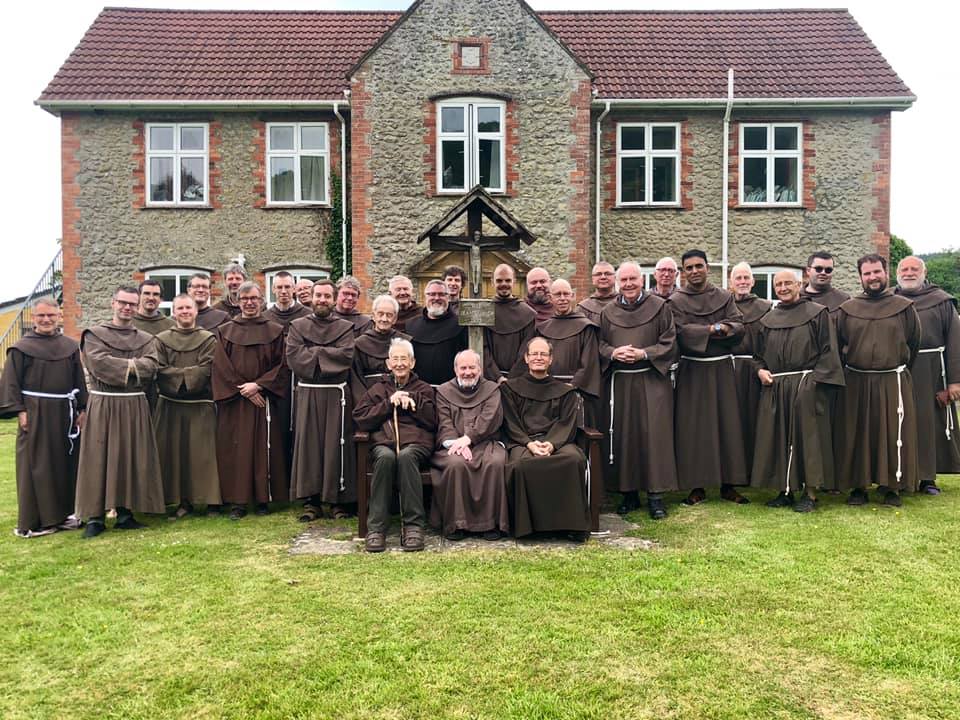
Contemplative communities revolve around set times of prayer and worship. Much time is given over to seeking God in private prayer and silence. The community’s home, which may be called a monastery, priory or convent, is a place of God.
Some members will leave the monastery at times to preach and minister, but such outside commitments are secondary to the life of prayer.
Some communities confine their work to the home and its grounds, maintaining what is called ‘enclosure’. This helps keep distractions from prayer to a minimum.
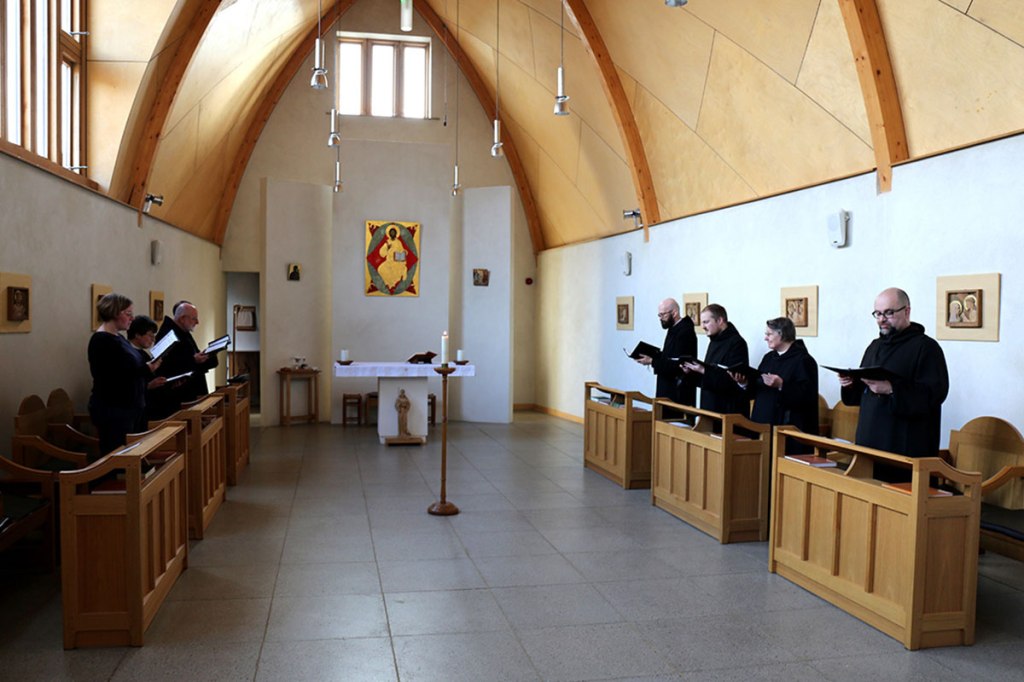

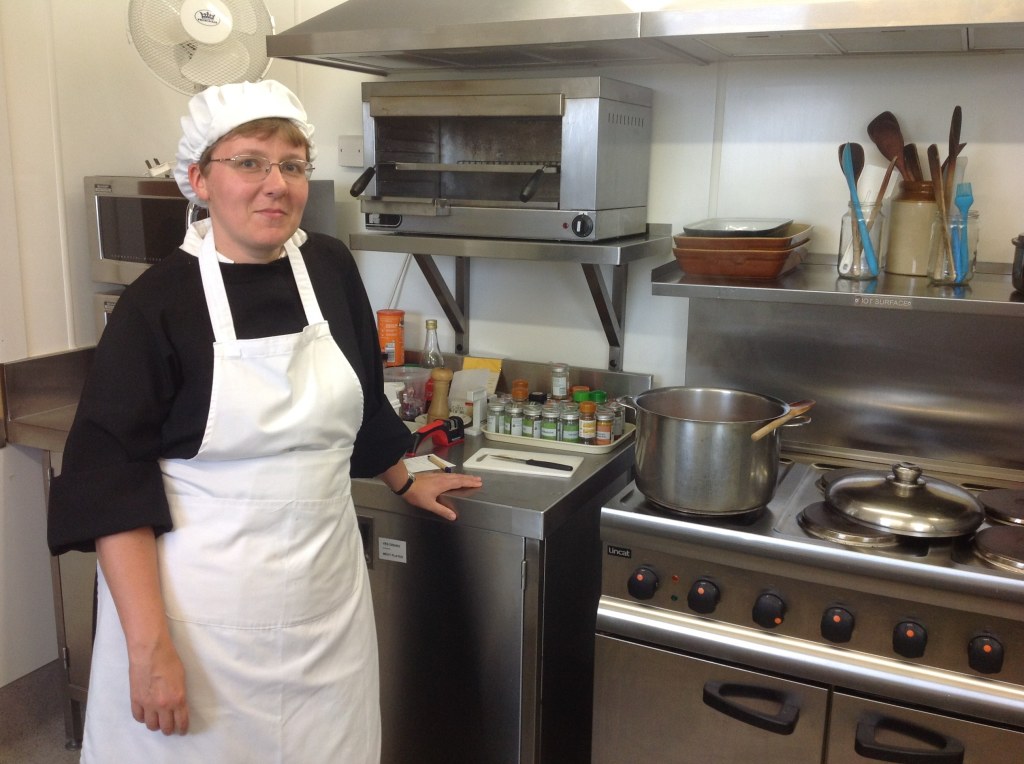
We are members of Anglican Religious Communities
https://www.churchofengland.org/religious-life
The purpose of this blog is to provide people with a space to share their vocational stories with others. The Religious life is way of living the Christian life. It is not something exotic but a call to prayer and service. Hopefully this will be made more obvious when you read people’s journey into Anglican Religious Life.
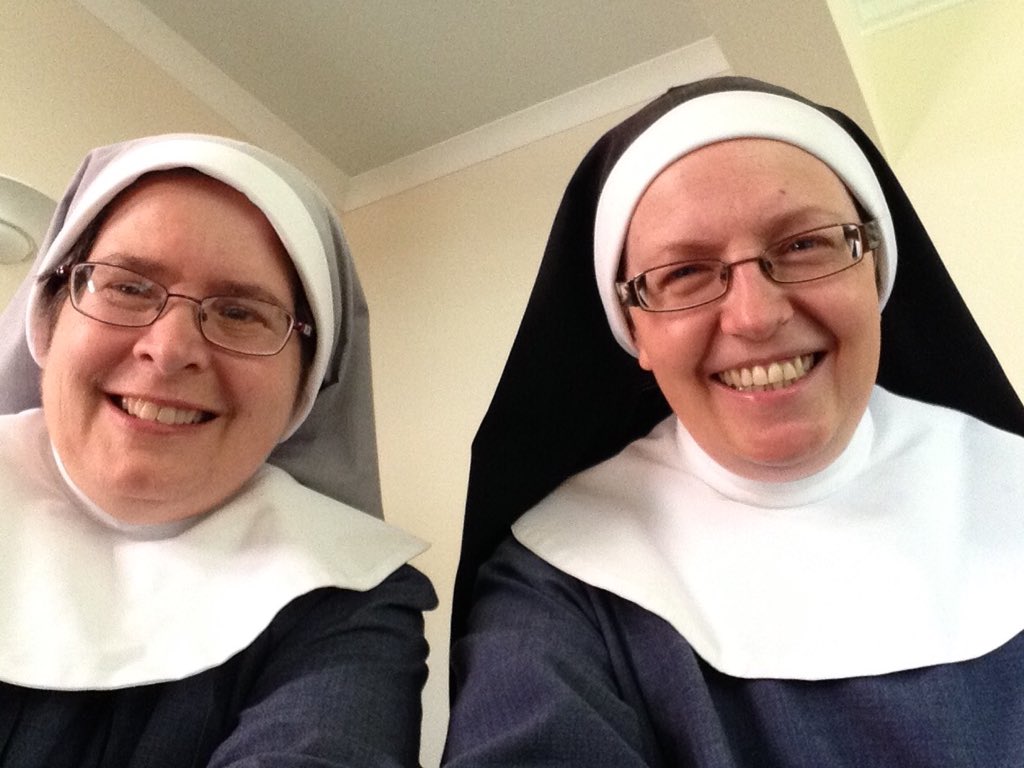
Why have a blog about vocations to Anglican Religious life?
- Because it gives new insight into Anglican Religious Life. A lot of mystery surrounds the whole notion of Religious Life
- Because it will help introduce Anglican Religious Life to more people
- We want to support Inquirers into traditional Anglican Religious Life in their journey
 Vocational Stories into Anglican Religious Life
Reblogged this on jff2209.
LikeLike